Heatwaves in Britain: What They Are, Why They Happen, and How to Stay Safe
Britain's heatwaves are getting hotter and more frequent — here's the science behind them, what counts as official, and how to cope sensibly.
Tuesday, 11 August 2026
A proper British heatwave used to mean three days of sunshine, a trip to the coast, and perhaps a slightly wilted lettuce. Now it can mean temperatures nudging forty degrees, melted runways, and genuine health warnings. The definition hasn't changed, but the weather certainly has.
What officially counts as a heatwave in the UK
The Met Office defines a heatwave as at least three consecutive days where the maximum temperature meets or exceeds a threshold that varies by county. In London and the south-east, that threshold is 28°C. In parts of northern England and Scotland, it's 25°C. The point is sustained heat, not just one scorching afternoon.
This isn't some modern invention. The definition has been around for decades, though we're hitting it far more often than we used to. The summer of 1976 remains lodged in national memory — weeks without rain, standpipes in the street, and Denis Howell appointed Minister for Drought. But recent years have brought something different: short, savage bursts of heat that break records rather than patience.
Why heatwaves happen and why they're changing
Heatwaves occur when high pressure parks itself over the country and refuses to budge. The air beneath it sinks, compresses, and warms. Clear skies let the sun bake the ground, and with no Atlantic weather systems muscling in, the heat builds day after day.
What's changed is the baseline. Global temperatures have risen roughly 1.2°C since pre-industrial times, and Britain has warmed even faster — about 1.5°C. That means the starting point for any heatwave is higher than it was fifty years ago. The same weather pattern that gave us 32°C in the seventies can now push past 35°C or beyond.
July 2022 saw thermometers hit 40.3°C at Coningsby in Lincolnshire, the first time anywhere in the UK had officially recorded forty degrees. It wasn't a freak gust of hot air. It was a heatwave sitting over southern Europe that pulled Saharan warmth northwards, amplified by a climate that's lost its old restraint.
When heatwaves usually happen in Britain
Most British heatwaves arrive between June and early September, with July and August the prime months. But the season is stretching. We've had hot spells in late May and others lingering into September, sometimes catching people off guard when they've already packed away the sun cream.
The frequency has increased noticeably. The Met Office reports that heatwaves now occur roughly twice as often as they did in the latter half of the twentieth century. What used to be a once-in-a-decade event is becoming something we brace for most summers.
The health risks and who's most vulnerable
Heat isn't just uncomfortable — it's a genuine health hazard, particularly for older adults. Our bodies regulate temperature less efficiently as we age, and many common medications affect sweating or circulation. Dehydration creeps up faster than you'd think, and overheating can lead to heat exhaustion or heatstroke, both of which need urgent attention.
The warning signs include dizziness, confusion, headache, nausea, and unusually dark urine. If someone stops sweating despite the heat, or seems disoriented, call 999. It's not fussing — it's serious.
Stay hydrated throughout the day, even if you don't feel thirsty. Keep curtains or blinds closed on sun-facing windows. If you have no cool room at home, public libraries, shopping centres, and community centres often provide air-conditioned refuge. Check on neighbours living alone, especially if they're elderly or unwell.
Common myths about coping with heat
Drinking ice-cold water sounds sensible but can actually make your body work harder to regulate temperature. Cool or room-temperature water is better. Similarly, a freezing cold shower might feel glorious but can cause blood vessels to constrict, trapping heat inside. A lukewarm shower is more effective.
Alcohol doesn't cool you down — it dehydrates you and impairs your body's temperature control. Save the gin and tonic for when the sun's properly down.
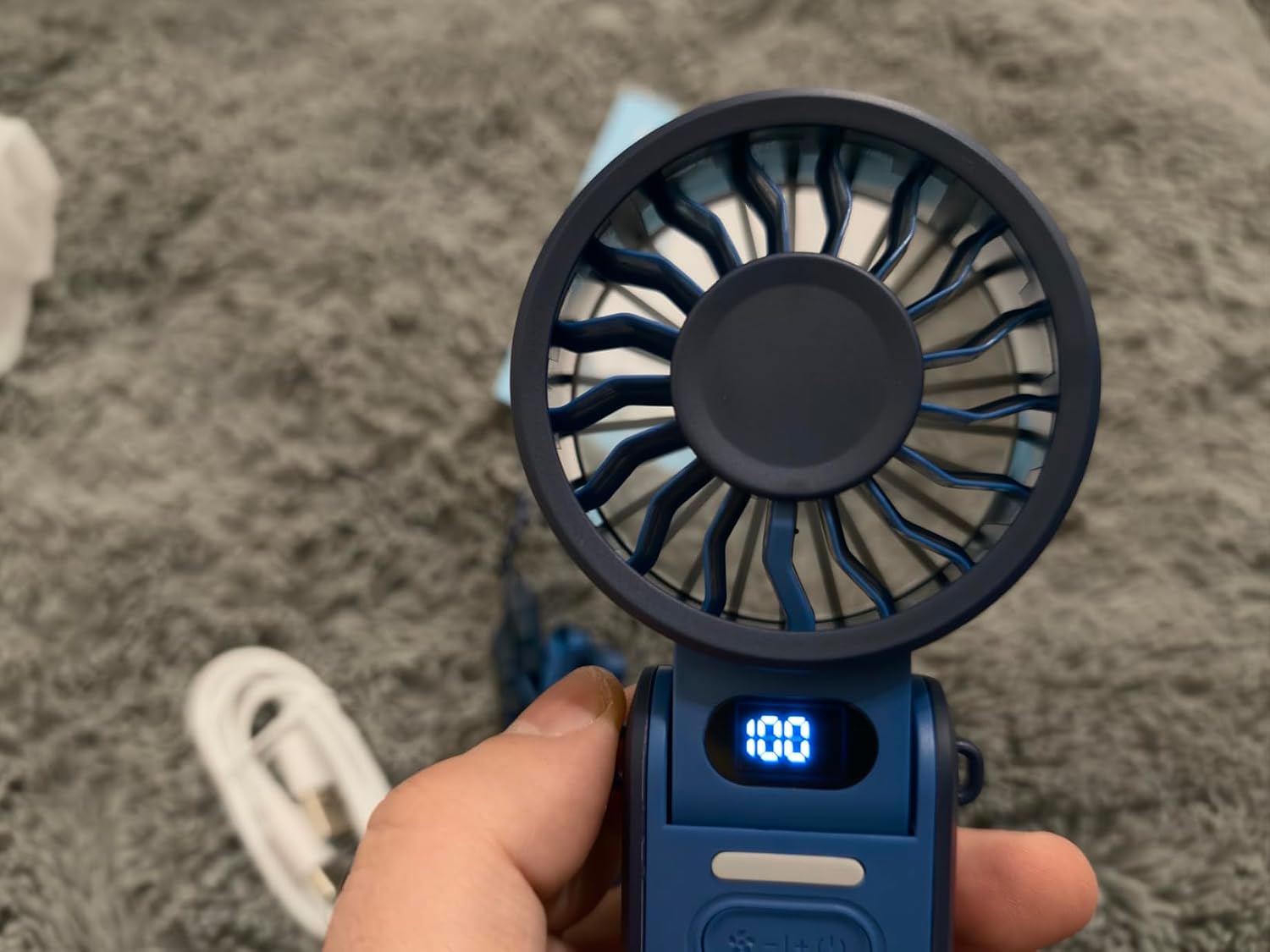
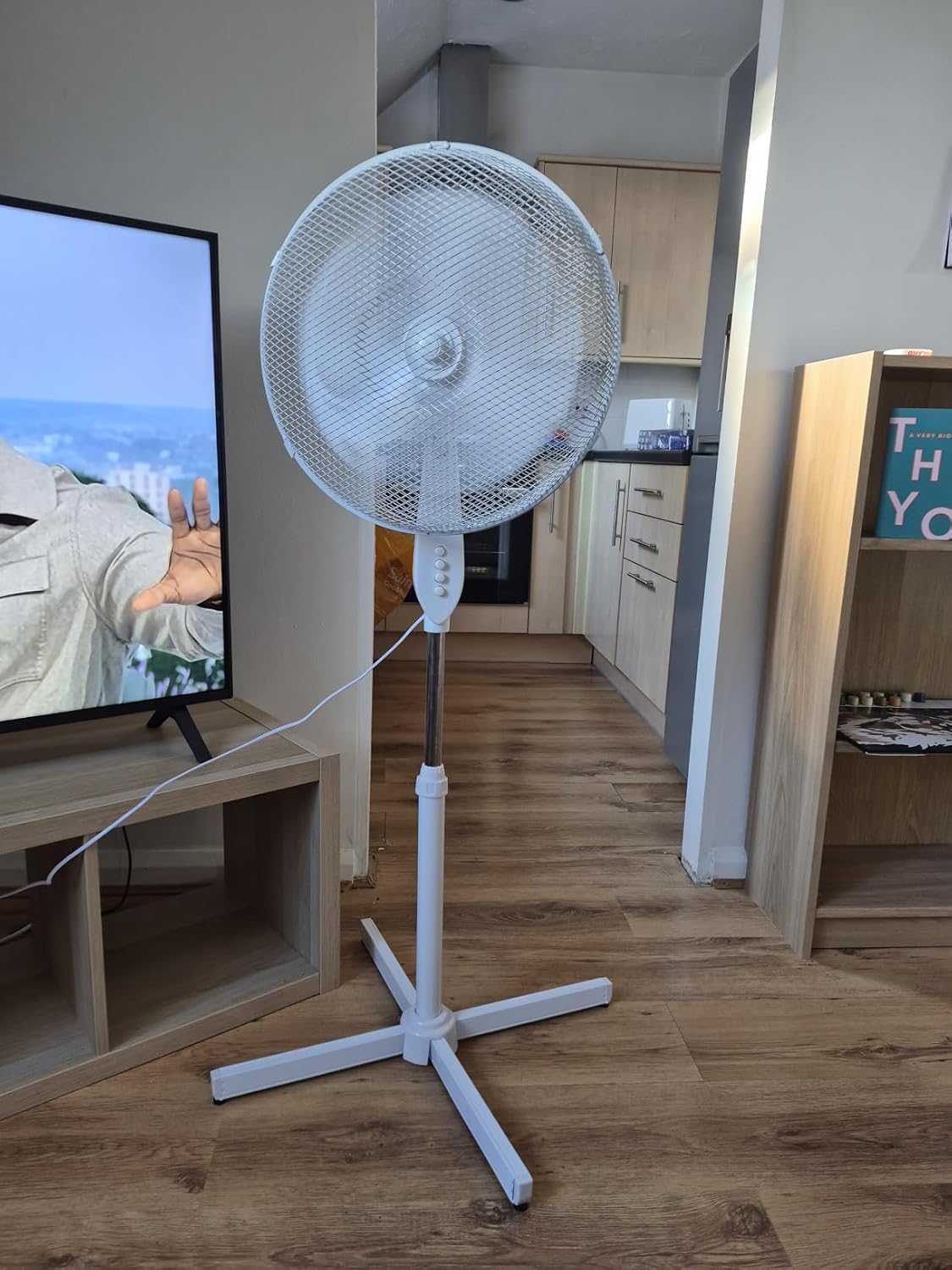
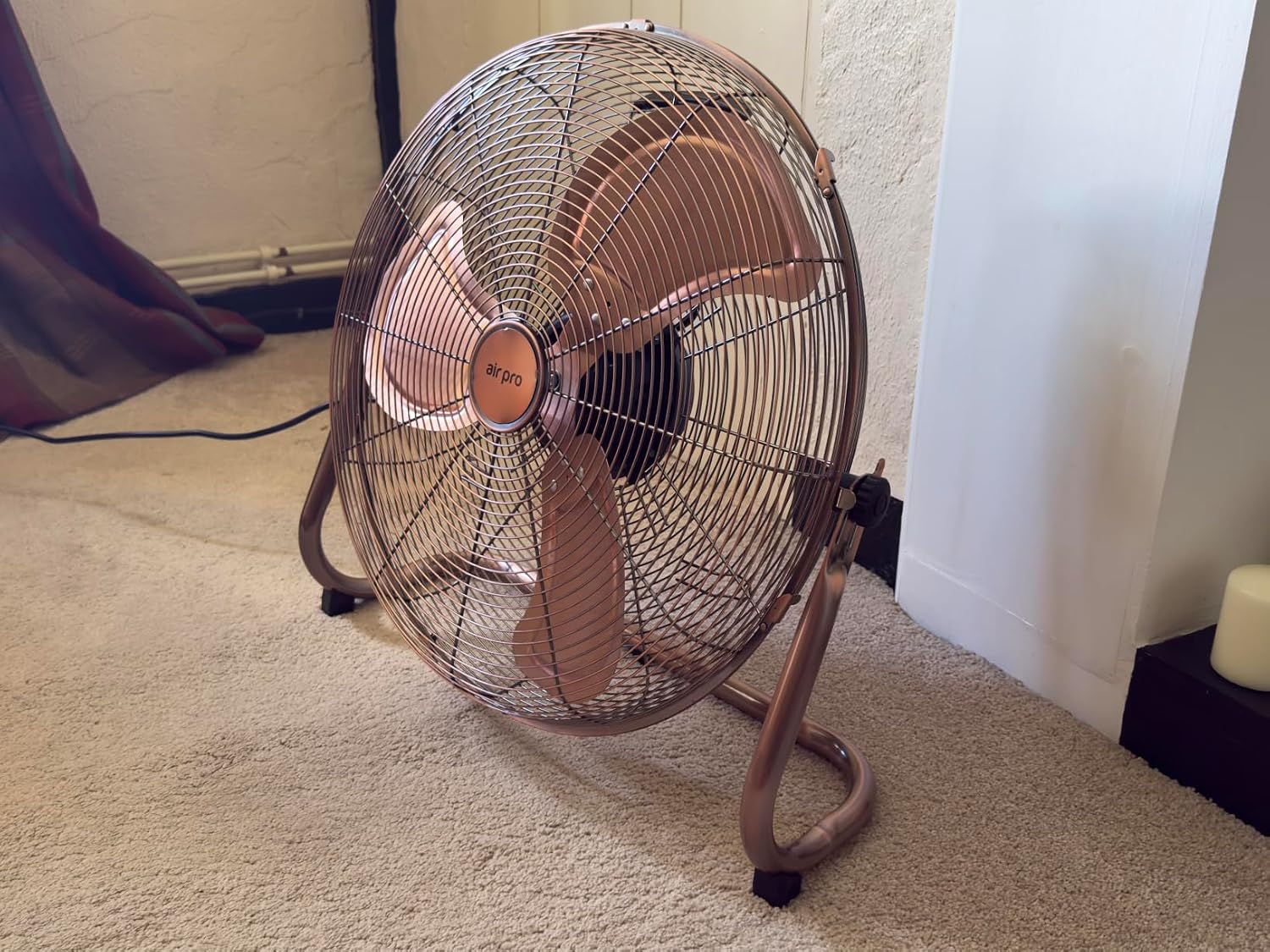
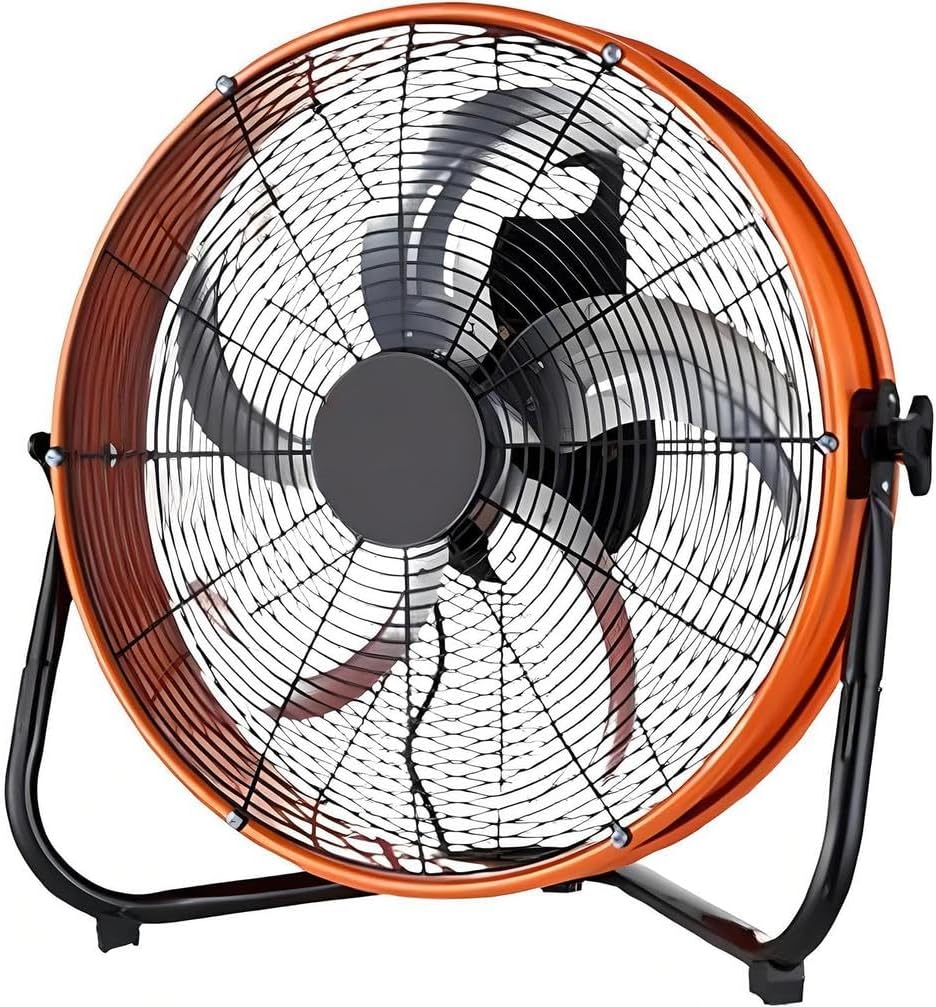
Fans help, but only up to a point. Once the air temperature exceeds about 35°C, a fan can actually blow hot air around and make things worse. If you're using one, place a bowl of ice in front of it, or aim it out of a window to push hot air outside.
How to check the forecast and official warnings
The Met Office issues heat-health alerts in partnership with the UK Health Security Agency when temperatures are expected to affect health services and vulnerable people. These warnings are colour-coded: yellow for awareness, amber for enhanced response, and red for emergency. You can check current warnings on the Met Office website or through their app.
Local news and radio stations also broadcast advice during heatwaves, often with information about cooling centres or extended library hours.
What heatwaves looked like decades ago
If you remember 1976, you'll recall it differently from recent heatwaves. That summer was relentlessly dry and warm, but the peak temperatures were generally in the low thirties. People coped with hosepipe bans and brown lawns, not health emergencies. There was no such thing as an amber heat warning.
The heatwave of August 1990 brought temperatures into the mid-thirties and felt, at the time, extraordinary. The summer of 1995 was similar. But neither came close to the forty-degree threshold we've now crossed. The goalposts have shifted, and pretending otherwise won't keep anyone safe.
Looking after yourself and others
Common sense goes a long way. Avoid going out in the hottest part of the day if you can. Wear loose, light-coloured clothing and a hat with a brim. Sunscreen matters even if you're just sitting in the garden — UV levels can be fierce.
Eat light meals. Your body generates heat digesting heavy food, and a roast dinner in thirty-degree heat is nobody's friend. Salads, cold soups, and fruit are your allies.
If you take regular medication, don't stop, but do keep it stored correctly — some medicines spoil in heat. Check the packet or ask your pharmacist if you're unsure.
And if you have pets, remember they can't sweat. Make sure they have shade, plenty of water, and never leave them in a car, even with a window cracked. The temperature inside a parked car can hit lethal levels in minutes.
Heatwaves are part of the British summer now, not rare aberrations. Treating them seriously isn't pessimism — it's just paying attention.
Have you got memories of past heatwaves, or tips for staying cool that actually work? Share them below, or ask a question if there's something we haven't covered.
Want the next one sent to you?
Old Tossers is a daily dose of nostalgia, memories and whatever the world is up to — written for people who remember when telly finished at midnight. Free, and no nonsense.
What do you remember?
Got a memory of this, or something to add? Stick it on the Memory Wall — the rest of us would like to hear it.
Have your say →More from around the world
- 🇬🇧England set to be one of the first countries to eliminate hepatitis C
- 🇫🇷France to ban unsolicited telemarketing calls
- 🇬🇷Clear / cloudy in Athens — 35°C, wind 19 km/h
- 🌍Magnitude 2.7 earthquake — 5 km NW of Pinnacles, CA
- 🌍Magnitude 4.8 earthquake — Pulau Pulau Tanimbar, Indonesia
- 🇪🇸Clear / cloudy in Madrid — 35°C, wind 8 km/h